
Bone Grafting For Dental Implants - Houston, TX
Rebuilding The Foundation Your Implants Need
Schedule ConsultationNot Everyone Needs A Graft. Here Is How We Know.
A dental bone graft rebuilds jawbone that has shrunk, so an implant has enough solid bone to anchor into. Bone starts to resorb as soon as a tooth is lost, and gum disease speeds it up, which is why many patients who have waited years to replace teeth are told they need a graft first.
The deciding tool is a CBCT scan. It shows the height and width of your bone in 3D, and from it Dr. Beck can tell whether you need a graft, whether it can be done with the implant, or whether a graft-free option like zygomatic implants is the better route. Grafting is periodontal surgery, and as a board-certified periodontist he performs it in-house. Learn more about bone loss and why it happens.
Get Pricing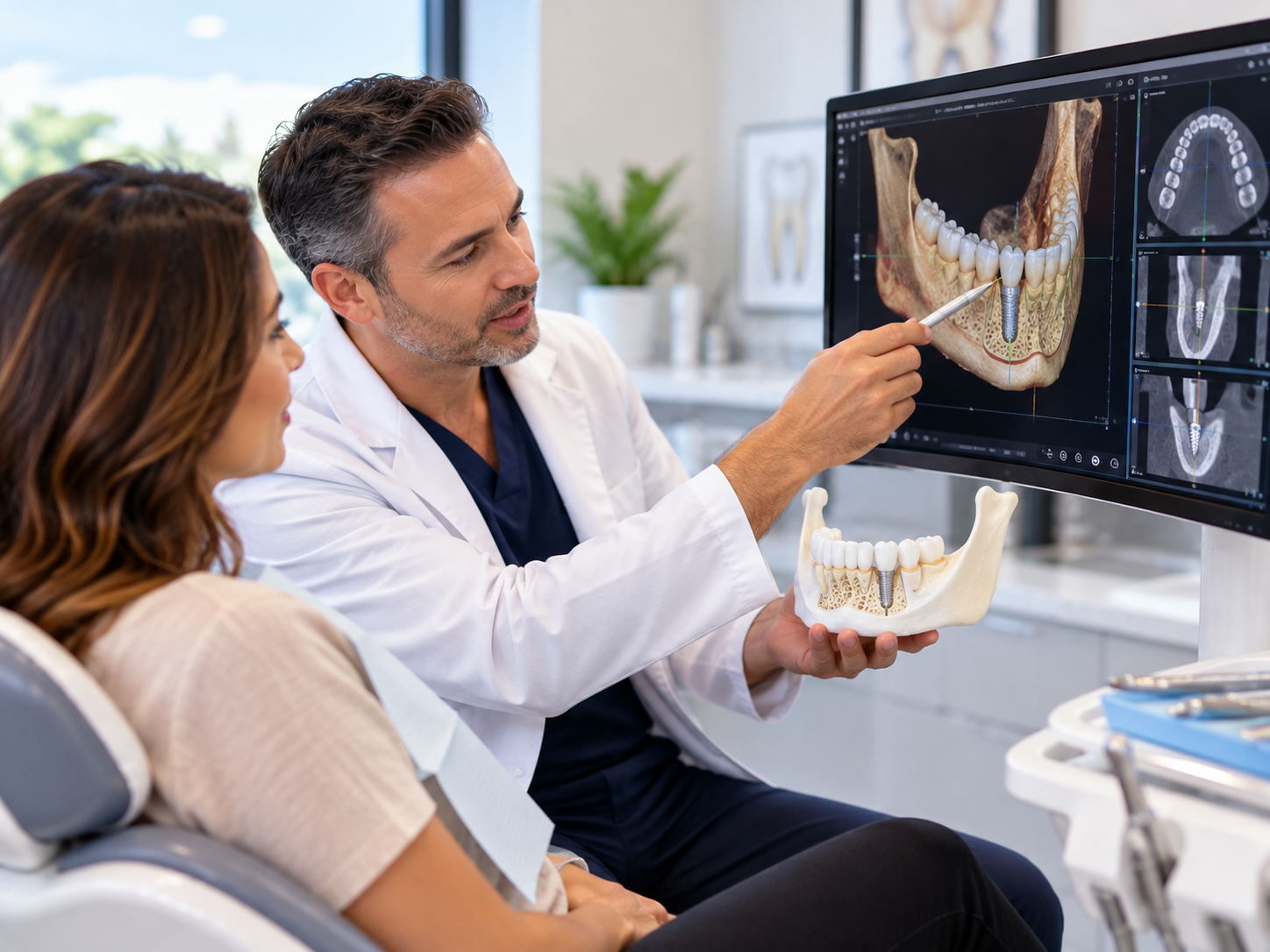
Types Of Bone Grafts We Use
The graft is matched to the size and location of the bone loss.
Socket Preservation
Graft material placed in the socket the day a tooth is removed, so the bone holds its shape for a future implant.
- Prevents the most common bone loss
- Small, quick procedure
- Often same visit as extraction
Ridge Augmentation
Rebuilds a jaw ridge that has become too thin or too short to hold an implant.
- For long-standing gaps
- Heals before implant placement
- Restores natural contours
Sinus Lift
Adds bone beneath the sinus so upper molar implants have room to anchor.
- Common in the upper back jaw
- Can be done with the implant in some cases
- Alternative: zygomatic implants
Will I Need A Graft?
- A tooth has been missing for a long time
- Gum disease has loosened teeth or shrunk the bone
- A denture has worn the jaw ridge down over the years
- Your dentist said there is not enough bone for an implant
- An implant site in the upper back jaw sits close to the sinus
Any of these raises the chance you will need a graft, but none of them is a verdict. Where the graft material comes from, your own bone, donor bone, or a synthetic material, is chosen for your case and explained at your exam. The scan decides, not the symptoms.
Book A Consultation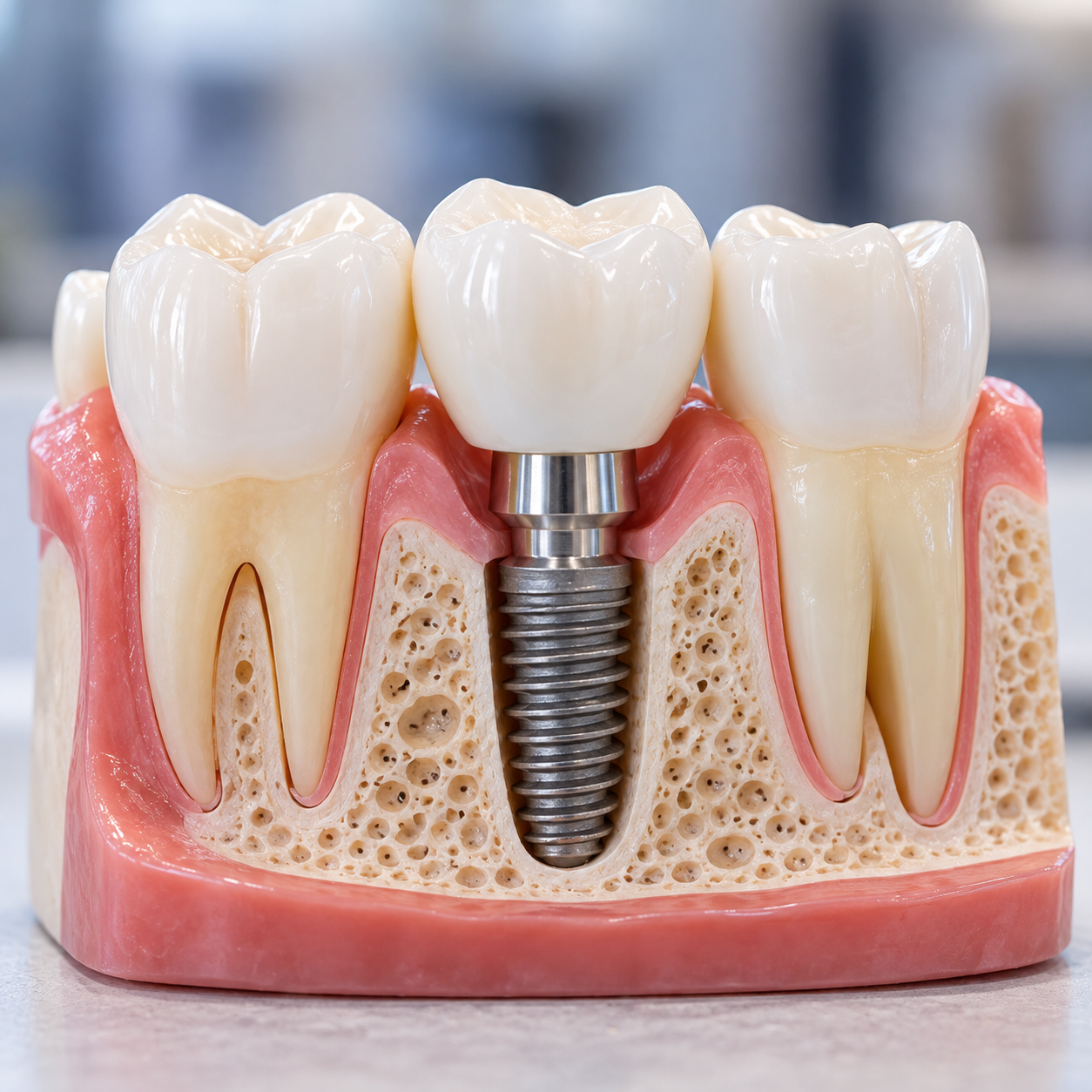
Graft First, Graft With The Implant, Or No Graft At All?
Three valid paths to a secure implant. Your bone volume picks the one that fits.
| Feature | Graft, then implant | Graft and implant together | No graft (zygomatic / pterygoid) |
|---|---|---|---|
| Best for | Larger areas of bone loss | Small defects around the implant site | Severe upper jaw bone loss |
| Visits | Two surgical visits | One surgical visit | One surgical visit |
| Healing before implant | Months, until the graft is solid | None, both heal together | None |
| Where the implant anchors | Rebuilt jawbone | Natural bone plus graft | Cheekbone or dense bone behind the upper jaw |
| Who does it | Periodontist | Periodontist | A specialist trained in zygomatic placement, like Dr. Beck |
| Typical outcome | Full-size implants in rebuilt bone | Implant and graft heal as one | Fixed teeth without grafting, often same day |
The Bone Grafting Process
From scan to a finished implant, with healing built in.
- 1
Scan And Plan
A CBCT scan measures your bone. Dr. Beck decides whether a graft is needed, which type, and whether it can be combined with the implant.
- 2
The Graft
Graft material is placed and protected with a membrane, under local anesthetic with sedation if you choose. Most grafts take under an hour.
- 3
Healing
Your body integrates the graft over the following months. Soft foods, careful cleaning, and no smoking give it the best chance.
- 4
Implant Placement
A follow-up scan confirms the bone is ready, and the implant is placed in solid support.
- 5
Restoration
Your crown, bridge, or arch is fitted once the implant has fused.
Recovering From A Bone Graft
Most patients describe grafting as easier than they feared. Here is what helps.
What It Feels Like
Pressure during the procedure, then soreness and swelling for a few days. Larger grafts and sinus lifts tend to be sorer than socket preservation.
What To Avoid
No smoking, no straws, no spitting or rinsing hard for the first days, and nothing crunchy over the site until we clear it.
Helping It Heal
Follow the medication plan, keep the area clean as instructed, eat well, and rest for a couple of days.
When To Call Us
Pain that worsens after day three, swelling that spreads, a bad taste that does not clear, or graft granules that keep coming loose.

Grafting Done By The Specialist Trained For It
Bone grafting is periodontal surgery, and Dr. Tareq Beck is a board-certified periodontist and implantologist. He performs grafts and implant placement himself, and when bone cannot be rebuilt, he places zygomatic and pterygoid implants that do not need a graft at all. See our full range of periodontal and implant care.
Flexible financing plans keep treatment within reach, and every case is quoted after your exam.
- American Board of Periodontology
- International Congress of Oral Implantologists
Told You Don't Have Enough Bone? Let's Look.
Get A Second OpinionBone Grafting For Dental Implants FAQ
Serving Houston And Nearby Communities
Our Hall Road office welcomes patients from across the Houston area, and our travel dentistry program makes it easy for out-of-town patients too.
- Houston
- South Houston
- Pearland
- Pasadena
- Sugar Land
- League City
- Friendswood
- Webster
- Deer Park
- La Porte
- Baytown
- Missouri City
- Alvin

Give Your Smile The Expert Care It Deserves.
Schedule your consultation with a skilled periodontist in Houston, TX, today.
Schedule Consultation